How Smart Glasses Are Helping Construction Teams Cut Documentation Time
When you spend your day on a job site, the work does not end when the last task is done. For many superintendents and frontline workers, the real second shift starts afterward with sorting photos, writing notes, and building reports from memory. That is the problem Animus is trying to solve. In a recent conversation, founder and CEO Rozda Askari shared how smart glasses, AI, and existing project management systems can work together to automatically turn messy field activity into structured documentation. If you are curious about smart glasses in construction, AI for field reporting, or how to reduce the documentation burden on frontline teams, the conversation breaks down the key ideas from that conversation and what they mean for the future of work.
What Animus Does and Why It Started With Construction
Animus is building the intelligence layer for physical work. The goal is simple: capture what people say, see, and do while they are working, then turn that into structured data that helps them do their jobs better. In the construction industry, a superintendent may spend the day overseeing trades, taking photos, recording notes, and checking progress across the site. At the end of the day, they still need to turn all of that into reports for people who are not physically there. That is a lot of time spent on documentation instead of construction. Animus is designed to make documentation feel like a byproduct of the work itself, not a separate task that steals an hour at the end of the day.
Why Smart Glasses Make Sense for Field Work
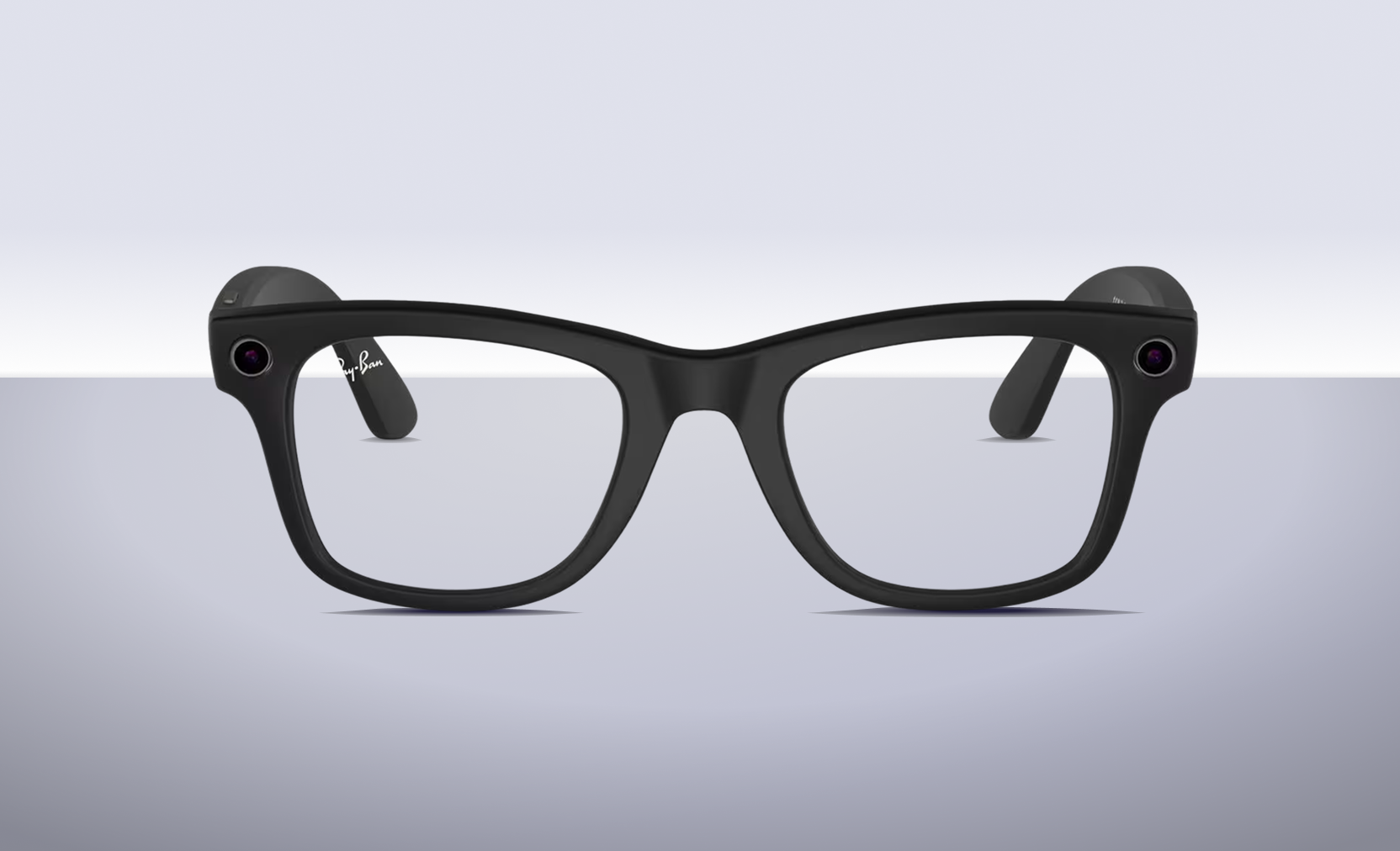
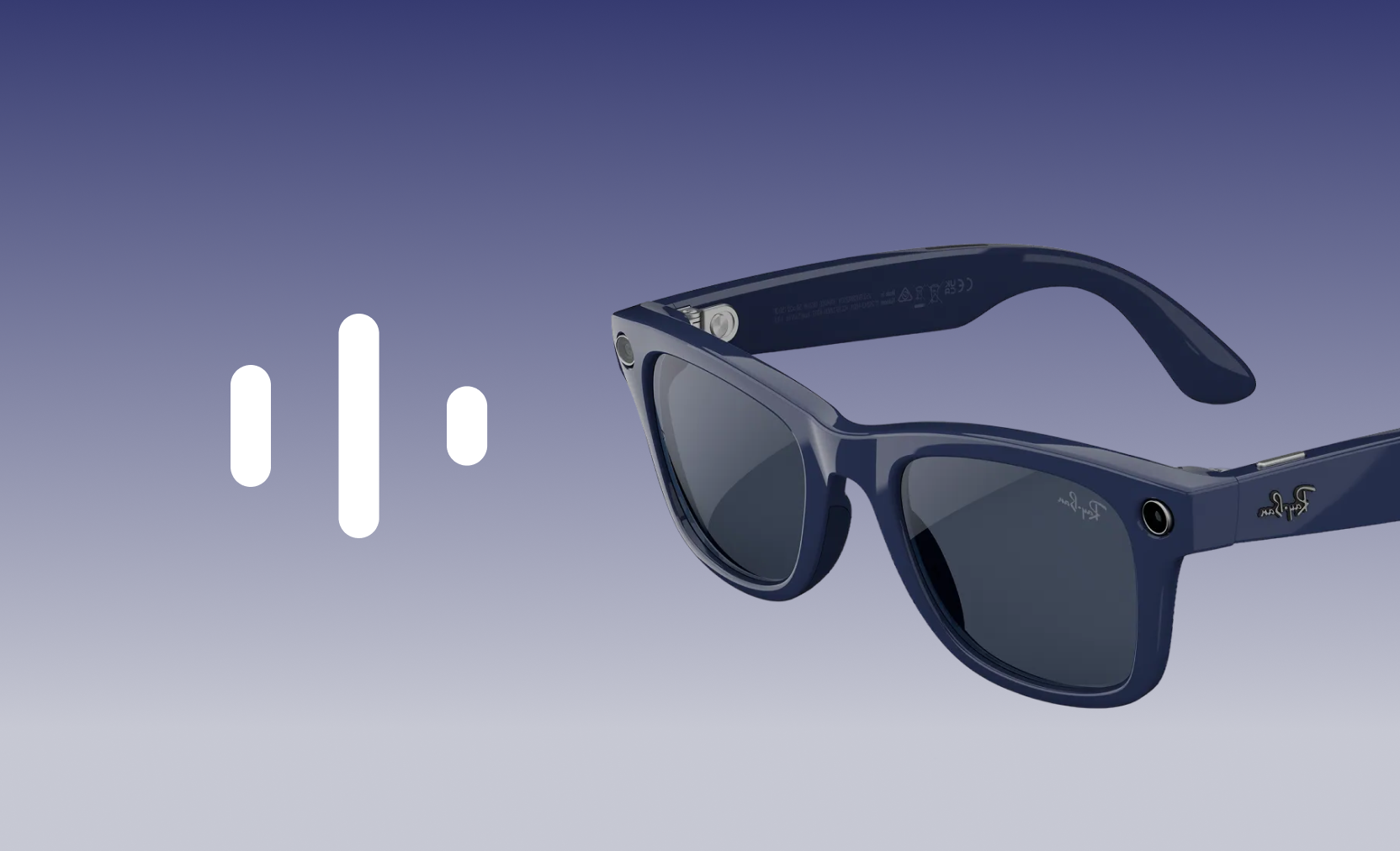
Smart glasses stood out to Askari for one reason: they fit into the workflow without demanding a new habit. A mobile app can work, but it often requires people to stop, pull out a phone, open the right tool, and switch context. Smart glasses let the user stay in the moment. They can keep walking, keep observing, and keep talking while capturing the information they need. That is especially useful in construction, where hands can be busy and attention is split across multiple moving parts. The form factor is meant to feel lightweight, familiar, and almost invisible. Askari also noted that the best technology is often the one people do not have to think too hard about. If someone has to learn a complicated new interface before they see value, adoption gets slower. If they can just put the device on and work, the barrier drops.
How AI Turns Field Activity Into Structured Reporting
When using Animus, AI acts like a scribe or a helpful assistant sitting beside the user. It takes in the context of the job site, processes what was captured through the glasses, and helps draft the report or record. The final judgment still belongs to the human. Field experts are experts while AI should reduce the time spent translating real-world work into formal documentation. This is where the administrative burden comes in. Most industries have some version of this problem but the common theme is the same: real work happens in the field, then someone has to sit down and recreate it later in a structured format. Animus removes that gap and is a way to save time, reduce missed details, and make the report more accurate because it is built from live context rather than after-the-fact recall.
What This Means for the Future of Field Work
The conversation with Askari makes one thing clear: the future of smart glasses in construction is not about novelty. It is about removing friction from work that already exists. Want to go deeper? Watch the full conversation.