Using AI Smart Glasses for Frontline Remote Assistance
A new generation of smart glasses are changing how remote assistance looks. 2026 marked a watershed moment for smart glasses, with much of that momentum coming from an unexpected source: devices with minimal or no display. By providing a hands-free way to share the eyes and ears of site technicians with experts anywhere in the world, AI smart glasses can streamline remote troubleshooting, reduce downtime, and automate post-job reporting.
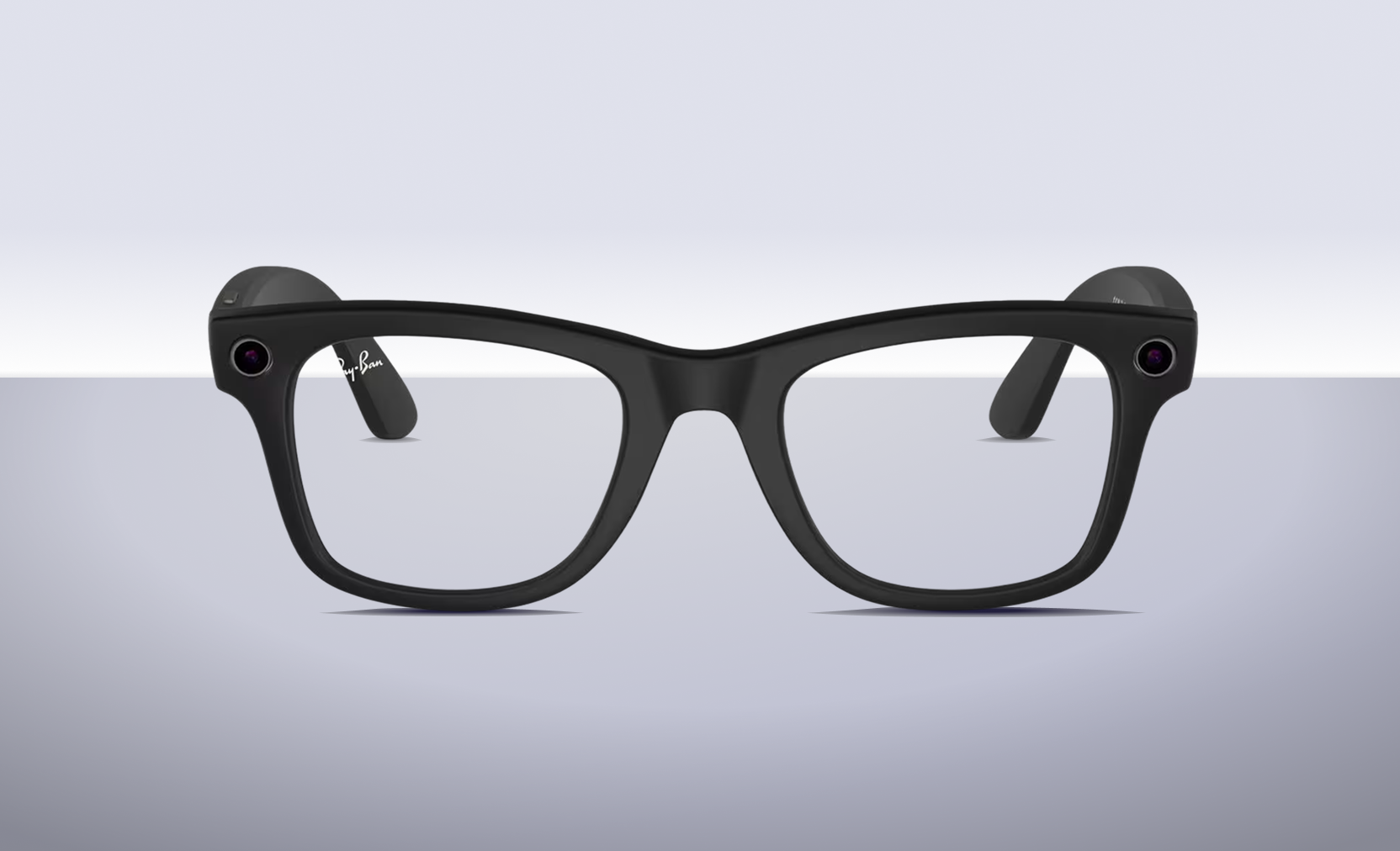
Remote assistance used to mean display-heavy AR headsets running up into thousands of dollars per unit. Now, AI smart glasses like Ray-Ban Meta AI and Mentra Live keep the form factor of ordinary eyewear while trading complex heads-up displays for embedded AI assistants and high quality video recording, enabling hands-free work for workers in the field.
What is the difference between AI smart glasses and AR headsets?
Smart glasses and AR headsets exist on a spectrum from simple video and sound to highly technical field overlays, and device costs usually reflect these differences. While industrial AR headsets use spatial computing to overlay information digitally onto the wearer's physical environment, AI smart glasses don’t have a visual screen and record high quality live video and audio to capture (and share) the wearer's perspective remotely.
Somewhere between the two sit display glasses, which share AI features of smart glasses but add a visual heads-up display (HUD). This screen can be used to project text, navigation, or even media directly in the wearer’s view. The most popular example benign Meta’s Ray-Ban Display.
Within the last year, however, lightweight AI-powered smart glasses with minimal display functionality have seen an explosion of new options at a range of price points, marking a shift in how remote assistance for enterprises could look.
- Ray-Ban Meta AI – Gen 2 glasses with no display start at $379, featuring around 8 hours of battery life, a 12MP ultra-wide camera shooting up to 3K video at 60fps, open-ear audio, five mics, and built-in Meta AI answering through the speakers.
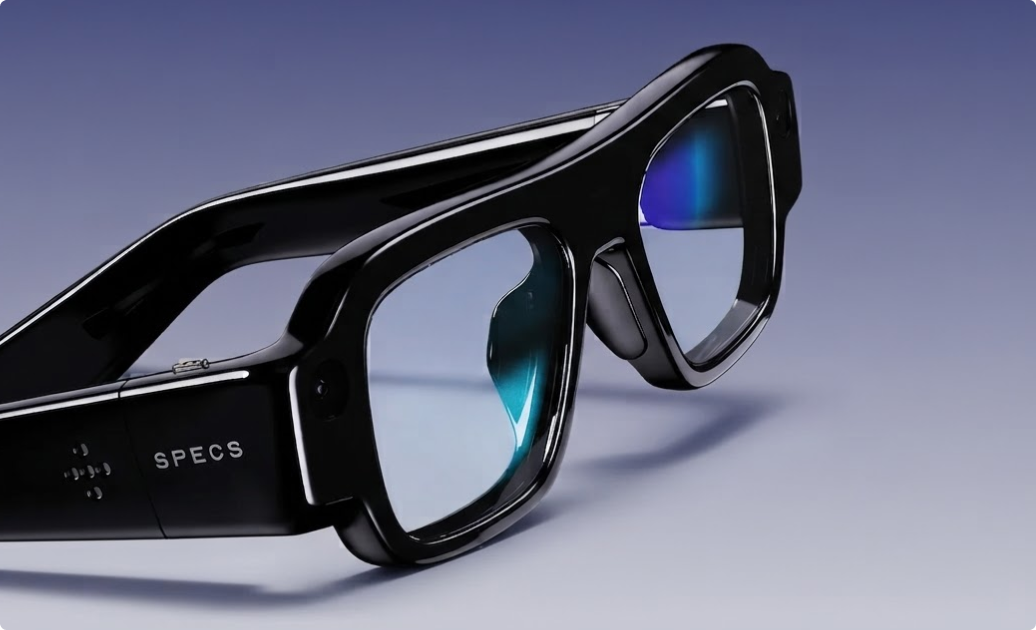
- Mentra Live – built on the open-source MentraOS platform and designed for enterprise deployments. These Amazon-backed smart glasses come in at $349, making them one of the most accessible enterprise options available currently.
- Rokid Style – launched at CES 2026, the non-display Rokid Style starts at $349 on a 38.5g lightweight frame, supporting both ChatGPT and Google Gemini. With a 12h battery life, Rokid’s new smart glasses let wearers record and make video calls, ask AI questions, translate in real-time, and take and summarize meeting notes.
- Vive Eagle – Scheduled for a US release date of September 1, 2026, these smart glasses will start at $499 and feature a range of video, audio, and AI features suited to frontline industries.
- Samsung Galaxy Glasses – unveiled at Galaxy Unpacked in July 2026, Samsung's display-free smart glasses run Android XR with Gemini built in.
What are the benefits of using smart glasses for remote assistance?
Existing remote assistance tools have a tradeoff. Workers either have to stop what they’re doing to use a phone or tablet, or rely on specialized AR headsets that are bulkier and significantly more expensive.
Smart glasses offer another option: workers can share first-person video and audio with an off-site expert while keeping their hands free for the task at hand. The expert sees what the worker sees, can troubleshoot alongside them in real time, and can provide guidance without requiring either person to be in the same location.
Frontline industries like manufacturing and healthcare are already using AR headsets for remote assist. AI smart glasses greatly improve on this model with a lighter, more familiar, and increasingly affordable form factor, while adding capabilities like recording, transcription, and automatic session summaries.
For enterprises, that creates several clear benefits:
Remote troubleshooting and supervision
Smart glasses offer hands-free video capture, providing a live feed of the wearer’s point of view to remote experts who can support with technical troubleshooting or supervising tasks.
Frontline-heavy enterprises can cut downtime and travel costs, and complete repairs faster. Smart glasses also allow one expert to supervise multiple tasks or sites in the same timeframe, instead of being tied to a single site callout.
Cheaper, faster deployments
Smart glasses without a display, like Mentra Live or Rokid Style, come in at a fraction of display glasses and typical enterprise AR headsets. The simple onboarding and intuitive nature of smart glasses also makes them more accessible and scalable as an enterprise solution: voice controls handle most functions, so deployments are faster and less complex than headset-based alternatives that require dedicated training.
Automated reporting and AI assistance
New-generation smart glasses pair remote support with embedded AI, letting frontline workers generate instant summaries or compliance reports based on what they dictate and capture. Not only does this save valuable time and make reports more accurate, it also creates a knowledge base that evolves over time with the key learnings, training documentation, walkthroughs, and compliance processes that underpin how work gets done every day.
A new era for remote assistance
For all they offer technically, AR headsets have a number of limitations for hands-free field work: displays can block peripheral vision or obscure the wearer's immediate view, hardware tends to be bulkier, and price remains a barrier for wider rollouts. AI smart glasses sidestep these issues and are increasingly being considered as a viable option for remote assistance.
The potential for AI smart glasses to reshape remote assistance work is clear. Any industry that involves hands-free work and ‘see what I see’ situations, needs to record and report on-site activity, or wants to automate tasks in vision or audio while working, stands to benefit. Smart glasses are intuitive, cost-effective, easier to roll out, and provide a way to scale and refine company knowledge from multiple perspectives at once. With adoption expected to accelerate throughout the end of 2026 and beyond, enterprise leaders are increasingly starting to open their eyes to the value of smart glasses in the field.